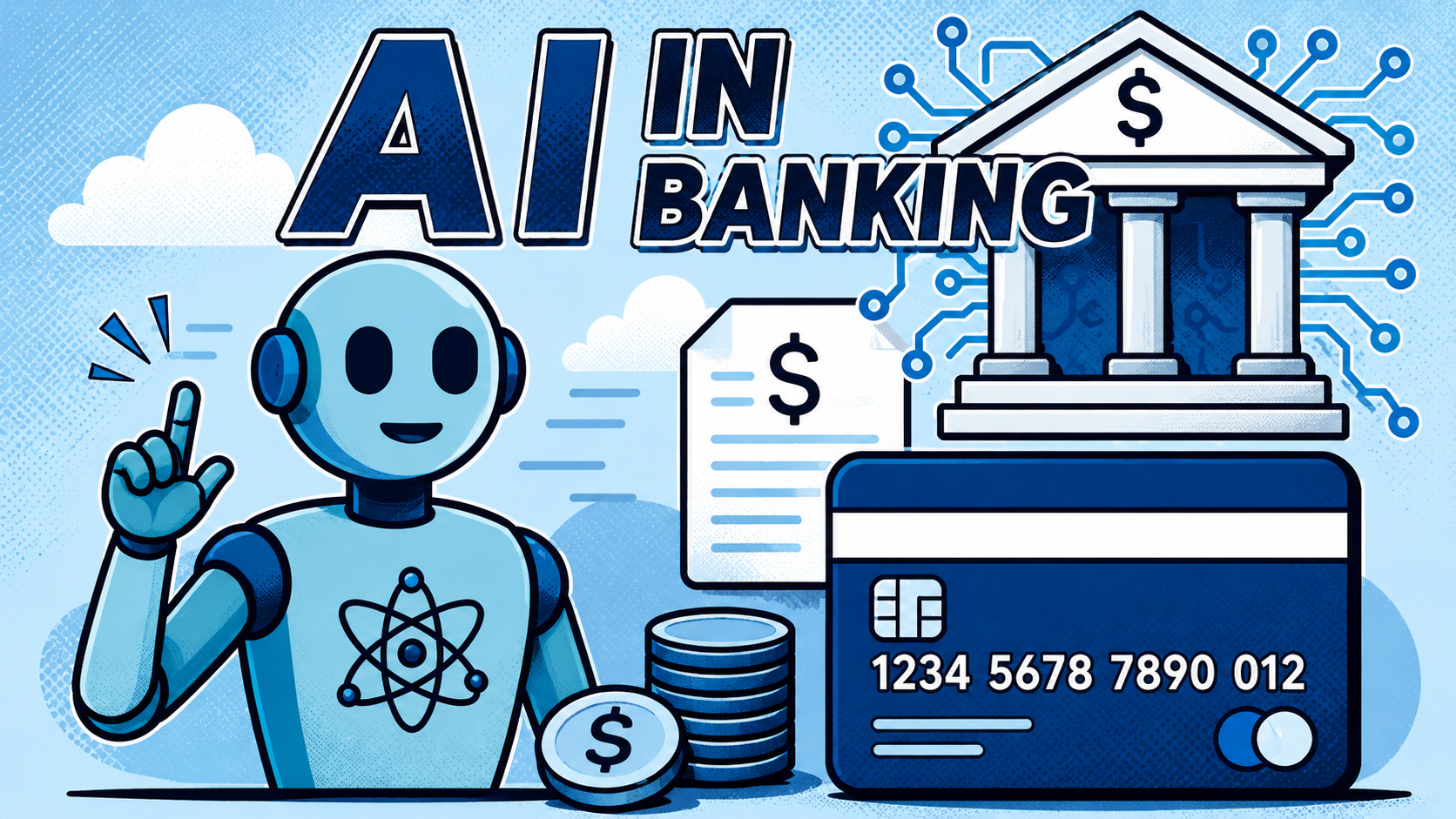
AI Is Starting to Influence Market Coordination — And It May Change How Financial Systems Move Together
AI is beginning to influence coordination across financial markets and infrastructure systems. This analysis explores how synchronized AI behavior could reshape systemic stability and market resilience.
By Val Andrew | chainintellectcoin.com | May 16, 2026
Val Andrew covers AI systems, market infrastructure, and financial microstructure.
Financial Markets Are Becoming Increasingly Connected Through AI Systems
Modern financial markets no longer operate as isolated environments.
Banks, exchanges, market makers, hedge funds, and infrastructure providers increasingly rely on:
- AI-driven execution systems
- predictive analytics
- automated liquidity management
- real-time infrastructure coordination
A structural shift is emerging:
AI is beginning to increase coordination across financial systems simultaneously.
This raises a deeper systemic question:
what happens when highly connected systems begin reacting together?
From Independent Markets to Coordinated Infrastructure
Traditionally, market participants operated with greater separation:
- different risk models
- slower communication
- fragmented execution systems
- institution-specific decision processes
AI-driven infrastructure introduces a different model:
- shared data environments
- synchronized signal processing
- automated cross-system reactions
- increasingly connected infrastructure behavior
markets become more coordinated—not just more automated
📊 The Mechanism
AI reshapes market coordination through:
- shared informational signals → systems react to similar market inputs
- cross-platform synchronization → liquidity and execution adapt simultaneously
- infrastructure coupling → interconnected systems increasingly influence one another
As AI adoption expands, reactions to volatility, liquidity stress, and risk events may become increasingly synchronized across institutions and venues.
Research into AI-dominated market structures increasingly focuses on how shared representations and behavioral overlap could amplify systemic fragility under stress conditions.
📉 The Constraint
Market coordination still operates within:
- exchange rules
- regulatory oversight
- institutional risk controls
- fragmented jurisdictional frameworks
But AI-driven systems increasingly optimize around these constraints—
changing systemic behavior without changing the underlying financial architecture
Regulators globally are increasingly focusing on AI governance, infrastructure resilience, and coordinated risk management frameworks across financial systems.
Real-World Context
Institutions such as JPMorgan Chase, BlackRock, and Citadel Securities increasingly operate within environments shaped by:
- AI-assisted execution systems
- predictive analytics infrastructure
- automated risk-management frameworks
- real-time liquidity optimization
Meanwhile, organizations such as the International Monetary Fund, the Federal Reserve, and European regulators are expanding discussions around systemic AI risk, market resilience, and infrastructure coordination.
Coordination vs Systemic Diversity
As AI-driven coordination increases:
- execution behavior may become more synchronized
- liquidity adjustments can spread rapidly
- volatility reactions may reinforce across systems
- infrastructure dependence may become more concentrated
This creates a key structural tradeoff:
markets become more connected and efficient—but potentially less behaviorally independent during stress events
The Deeper Insight
Markets are not only shaped by individual participants.
They are shaped by how interconnected participant behavior becomes across infrastructure systems.
systemic coordination itself becomes part of market structure—not just market activity
Bottom Line
AI is not just influencing trading systems.
It is influencing how financial infrastructure coordinates across markets, institutions, and execution environments.
- systems become increasingly interconnected
- reactions synchronize more rapidly
- market resilience becomes more dependent on coordinated infrastructure behavior.