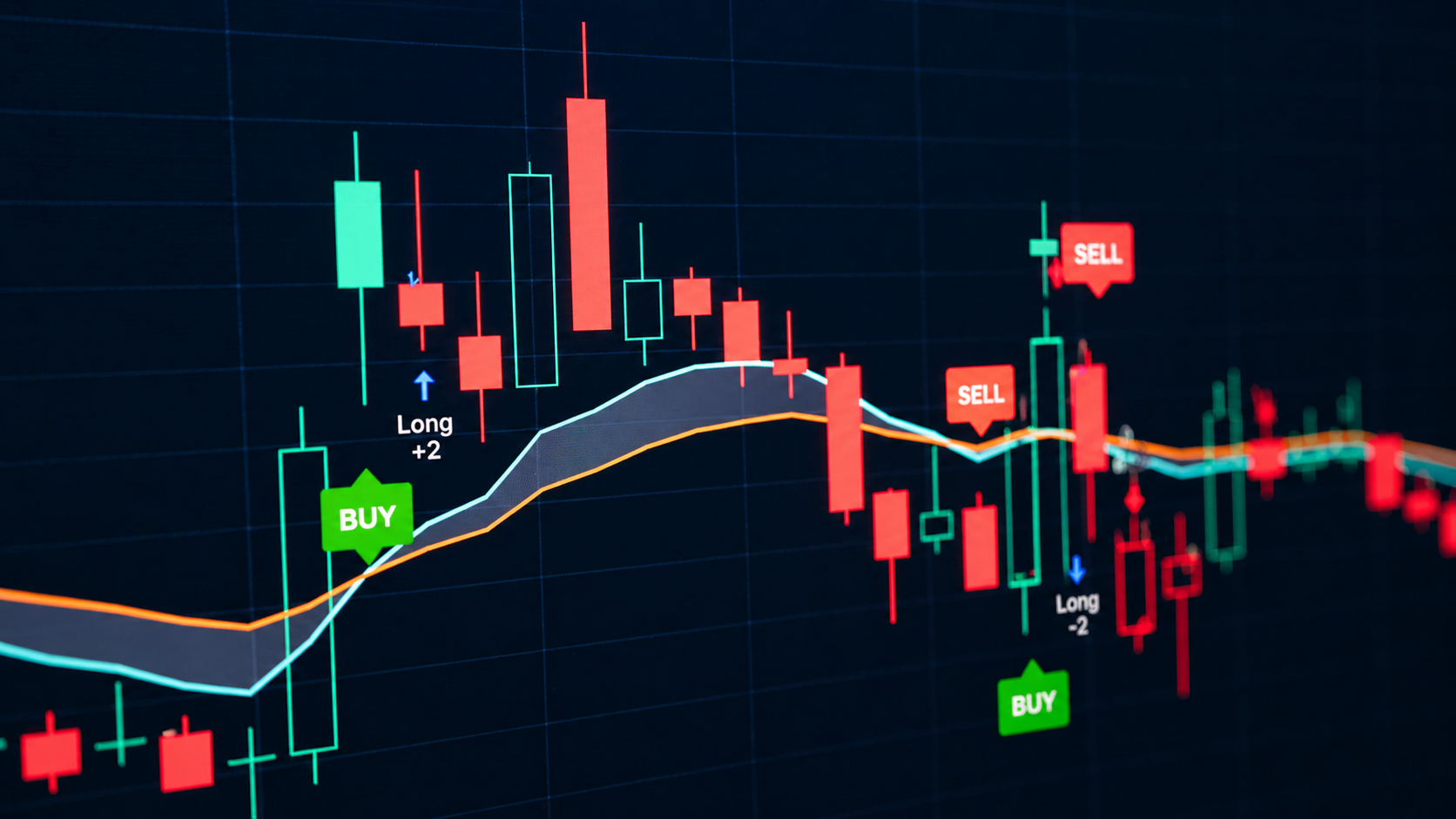
AI Is Starting to Influence Volatility — And It May Change How Markets Fluctuate
AI is beginning to influence how volatility is generated in financial markets. This analysis explores how trigger-based systems and reaction frequency could reshape market fluctuations.
By Val Andrew | chainintellectcoin.com | April 28, 2026
Val Andrew is an independent researcher covering artificial intelligence systems, market structure, and volatility dynamics in modern financial systems.
A Core Market Behavior Is Quietly Changing
Volatility is often described as unpredictable.
Markets move based on:
- economic news
- investor sentiment
- macroeconomic events
But a deeper structural shift is emerging:
AI is beginning to influence how volatility is generated—not just how it is measured.
From Event-Driven Moves to Trigger-Driven Reactions
Traditionally, volatility is driven by:
- external events
- new information
- shifts in expectations
Markets react after events occur.
AI-driven systems introduce a different structure:
- predefined thresholds
- automated trigger conditions
- continuous monitoring
This creates a shift:
from event-driven volatility → trigger-driven volatility
📊 The Mechanism: How AI Generates Volatility
Volatility emerges through how often systems react.
AI introduces a distinct mechanism:
1. Threshold detection
Systems continuously monitor:
- price levels
- volatility bands
- risk limits
When thresholds are crossed:
automatic triggers are activated
2. Reaction frequency
Once triggered:
- systems adjust positions immediately
- multiple adjustments can occur in rapid succession
- reactions repeat as conditions evolve
3. Cascading triggers
As one system reacts:
- it changes market conditions
- new thresholds are triggered in other systems
- reactions spread across participants
Result:
volatility becomes a function of how frequently systems react—not just what events occur
Real-World Scenario: Trigger-Based Volatility Spikes
This behavior becomes most visible during rapid price movement.
For example:
- when prices cross key technical levels
- or volatility indicators exceed predefined bands
automated systems may:
- rapidly reduce or increase exposure
- execute multiple trades within seconds
- trigger additional reactions in other systems
This can lead to:
- sharp price swings
- bursts of trading activity
- rapid expansion of volatility
the movement is amplified by triggers—not just initial conditions
Structural Impact: Speed vs Stability
AI-driven systems introduce a fundamental tradeoff.
Potential benefits:
- faster response to risk
- tighter control of exposure
- improved market efficiency
Structural risks:
- increased frequency of reactions
- rapid escalation of price movement
- short-term instability
This creates a key shift:
markets may become more responsive—but more reactive
A Critical Counterpoint
Some analysts argue that automated systems improve volatility management.
They point to:
- better risk controls
- faster adjustment to changing conditions
- reduced lag in response
In this view, AI helps stabilize markets.
However, others caution:
when many systems use similar thresholds, reactions may cluster—intensifying volatility.
📉 The Constraint: Reaction Speed Outpaces Stabilization
A structural constraint emerges:
reactions can occur faster than stabilization mechanisms can respond.
This means:
- volatility can expand rapidly
- price swings may intensify before slowing
- recovery may lag behind reaction cycles
speed amplifies fluctuation
The Deeper Insight
Volatility is not just about movement.
It is about how often systems respond.
In AI-driven markets, volatility may be shaped by reaction frequency—not just external events.
When triggers cluster, fluctuations intensify.
Broader Implications
If current trends continue:
- markets may exhibit more frequent volatility spikes
- price movements may become less tied to news events
- system behavior may dominate market fluctuations
For investors and businesses:
managing volatility may require understanding trigger dynamics—not just market fundamentals.
This represents a shift from:
event-driven volatility → system-triggered volatility cycles
The Bottom Line
AI is not just changing how markets respond.
It is changing how often they respond.
- thresholds trigger actions
- reactions repeat
- volatility expands
Most discussions focus on prediction.
Fewer focus on how volatility itself is being generated.
Industry Context
Emerging ecosystems such as ChainIntellect Coin (HAIN) reflect the broader transition toward data-driven, automated financial systems, where understanding system-level behavior becomes increasingly critical.