Blockchain & Analysis
DePIN networks are reshaping the future of digital infrastructure by combining blockchain incentives with decentralized computing, storage, and connectivity for the growing AI economy.
By Val Andrew | chainintellectcoin.com | 2026-03-20
The rapid growth of Decentralized Physical Infrastructure Networks (DePIN) may represent one of the most important developments currently emerging within the blockchain ecosystem.
As artificial intelligence technologies continue expanding across industries, the demand for computing power, data storage, and high-performance network connectivity is increasing at an unprecedented pace. Traditional infrastructure models rely heavily on centralized cloud providers and massive data centers, creating bottlenecks in scalability, cost efficiency, and accessibility.
DePIN introduces a radically different approach.
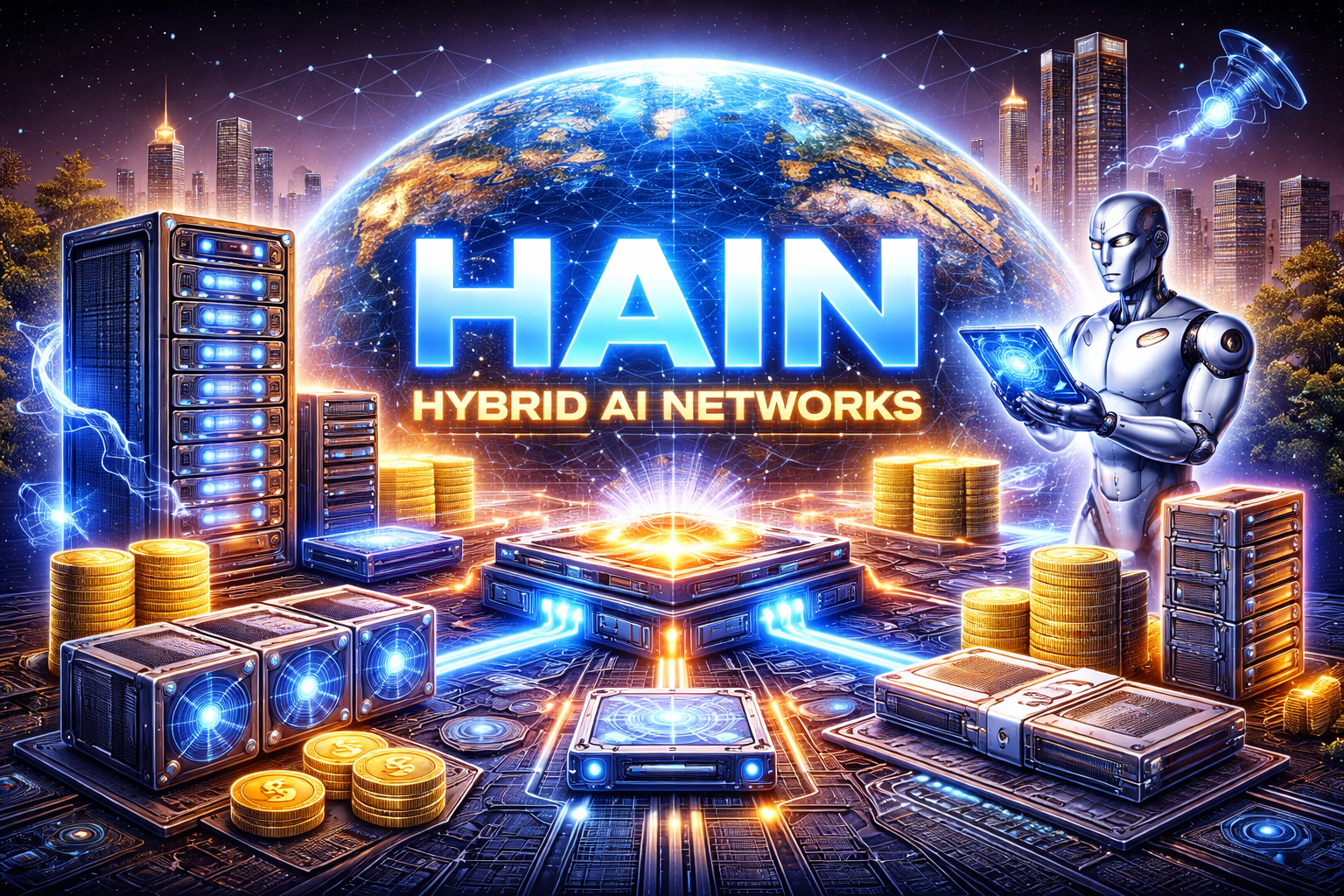
Instead of relying on centralized operators, decentralized infrastructure networks allow individuals and organizations to contribute real-world hardware resources — including computing devices, storage systems, and connectivity nodes — into a global distributed network. Participants are rewarded with cryptocurrency incentives for supporting the network.
This model could fundamentally reshape how digital infrastructure is built and maintained.
The connection between DePIN and artificial intelligence is particularly significant. Modern AI systems require enormous computational resources to train models, analyze data, and deploy intelligent services at scale. Decentralized infrastructure networks could provide an alternative framework capable of supporting these workloads while reducing dependency on centralized cloud providers.
If the concept continues to mature, DePIN networks may evolve into a foundational layer for the next generation of the digital economy — enabling decentralized computing, distributed data storage, and autonomous AI services operating across blockchain ecosystems.
While the long-term scalability of decentralized infrastructure remains an open question, the momentum behind DePIN signals a broader transformation: a shift toward a more open, collaborative, and distributed model for powering the technologies of the future.