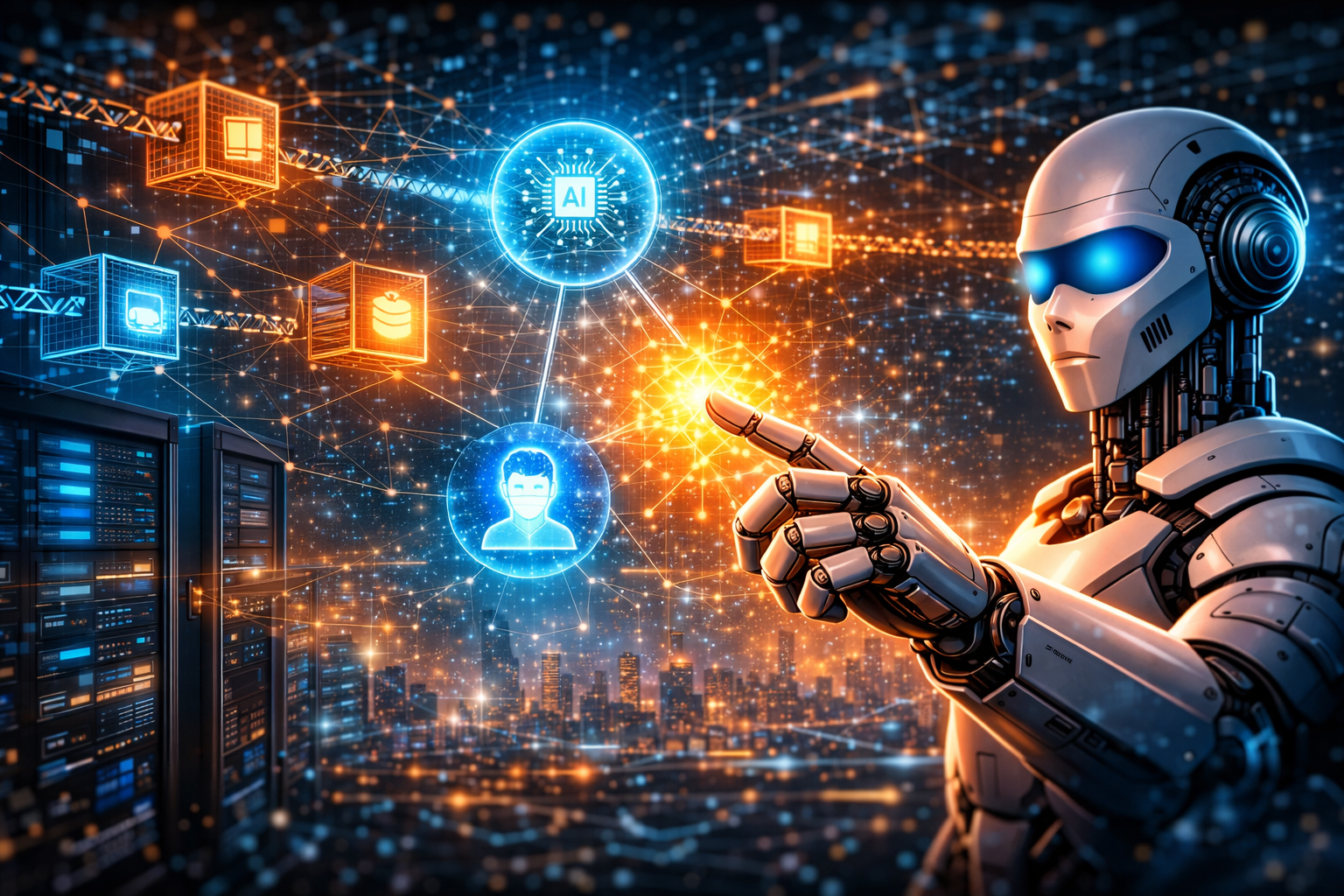
DePIN and AI Are Merging to Build the Backbone of the New Digital Economy in 2026
DePIN and AI are merging in 2026 to build decentralized, intelligent infrastructure for the next generation of the digital economy.
By Val Andrew | chainintellectcoin.com | March 27, 2026
A powerful convergence is taking place in 2026 as Decentralized Physical Infrastructure Networks (DePIN) combine with artificial intelligence to create a new foundation for the digital economy.
As demand for compute power, data processing, and network infrastructure grows, traditional centralized systems are struggling to scale efficiently. In response, decentralized infrastructure models are emerging as a viable alternative—powered by blockchain and enhanced by AI.
This shift is positioning DePIN as a critical layer for the next generation of digital systems.
Why Infrastructure Is Becoming the Focus
The crypto industry is moving beyond tokens and speculation toward real-world infrastructure.
DePIN networks allow individuals and organizations to contribute:
- Computing power
- Data storage
- Network bandwidth
In return, participants are rewarded through blockchain-based incentives, creating a distributed system that can scale globally.
AI Is Driving Demand for Decentralization
Artificial intelligence requires vast amounts of computational resources to function effectively.
From training large models to processing real-time data, AI systems are pushing infrastructure to its limits. Decentralized networks offer:
- Scalable compute resources
- Cost-efficient alternatives to cloud providers
- Increased resilience and redundancy
This makes DePIN an ideal solution for supporting AI growth.
The Rise of Autonomous Infrastructure
As AI integrates into decentralized systems, infrastructure itself is becoming intelligent and self-optimizing.
AI-driven networks can:
- Allocate resources dynamically
- Optimize performance in real time
- Detect inefficiencies and security risks
This creates a new model where infrastructure is not just distributed—but autonomous.
Insight
The convergence of DePIN and AI signals a transition from static infrastructure to adaptive digital systems.
Instead of relying on centralized providers, the future will be built on networks that can scale, adapt, and operate independently—powered by both decentralization and intelligence.
Opinion
Val Andrew — ChainIntellectCoin.com
Infrastructure is becoming the most important battleground in crypto. The projects that solve real-world scalability and efficiency challenges will define the next phase of the industry.
DePIN combined with AI is not just an innovation—it is a necessity for the future digital economy.
Prediction
By the end of 2026:
- DePIN networks will support a significant portion of AI workloads
- Decentralized compute markets will compete directly with cloud providers
- AI-driven infrastructure platforms will become core components of Web3 ecosystems
This could reshape how global digital infrastructure is built and operated.
Conclusion
The merging of DePIN and AI represents a major evolution in blockchain technology.
As decentralized infrastructure continues to expand, it is becoming clear that the future of the digital economy will be built on systems that are both distributed and intelligent.
For developers, investors, and enterprises, this shift marks the beginning of a new era—where infrastructure is no longer centralized, but globally shared and autonomously managed.